
The Vanishing Program Director

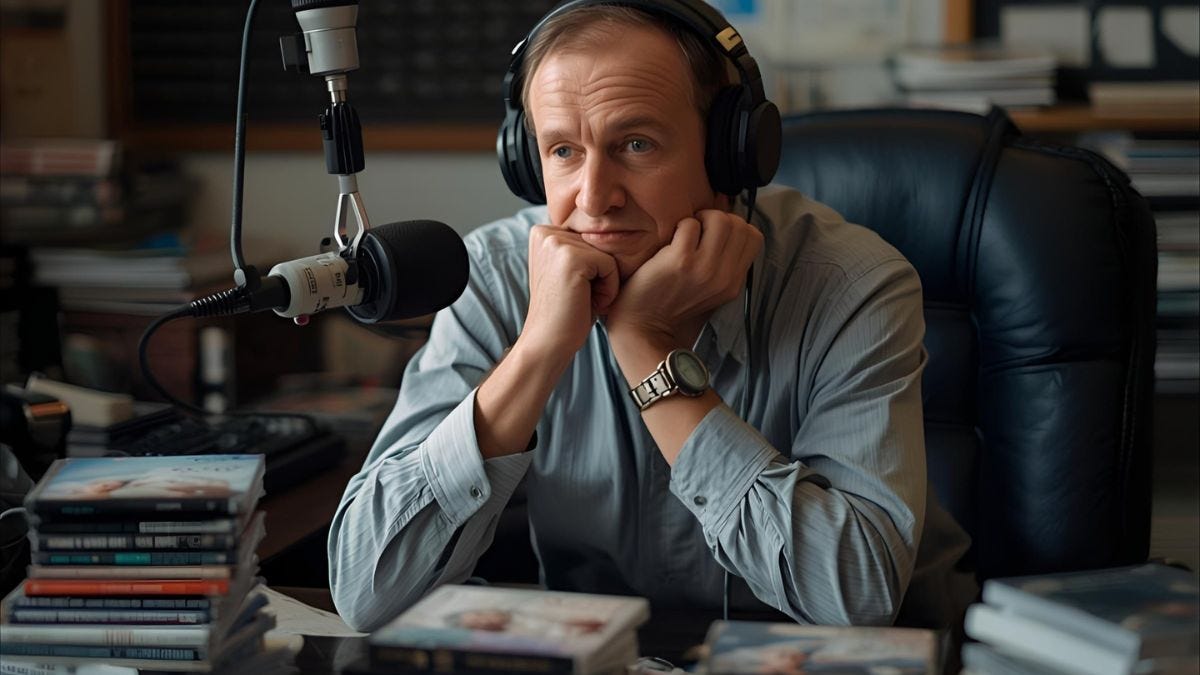
The Disappearing Gatekeeper
For decades, the program director was the heartbeat of a radio station—the tastemaker, the coach, the person with both ears tuned to the market and one hand steady on the wheel. The PD wasn’t just scheduling music or approving imaging; they were the architect of a station’s identity. But in 2025, that once-vital position is fading fast. Corporate downsizing, centralization, and automation have reshaped the role into something almost unrecognizable.
The latest round of layoffs at iHeartRadio, one of the industry’s biggest players, is only the most recent example. Across multiple markets, positions were consolidated, responsibilities redistributed, and veteran programmers shown the door. It’s part of a pattern that’s been accelerating for years: fewer people doing more work, with technology and national programming taking the place of local curation.
When the PD vanishes—or is stretched so thin that the creative part of the job becomes an afterthought—the result isn’t just a personnel shift. It’s a cultural one.
From Curator to Administrator
The modern “program director” title often carries the same weight on paper, but the day-to-day reality has changed dramatically. Many now oversee multiple stations, sometimes across several markets, while also juggling national mandates, corporate strategy calls, and endless administrative tasks. What used to be a full-time craft has become a managerial juggling act.
Instead of listening to airchecks or analyzing a station’s unique sound, today’s PD might be troubleshooting automation logs or approving promotional copy for stations hundreds of miles away. The creative decisions that once defined the role—song rotations, on-air tone, local promotions—are increasingly standardized. National playlists, syndicated shows, and templated imaging packages fill more of the airtime. The personal touch that used to differentiate one market from another is getting lost in the shuffle.
It’s not that today’s PDs lack talent or passion. Many are simply overwhelmed. The job that once demanded a deep connection to a single community now demands efficiency across many. The tradeoff is clear: operational scale replaces local soul.
The Cost of Homogenization
Listeners might not articulate it, but they can feel the difference. When every station in a chain sounds the same, it erodes the magic of local radio—the feeling that your station understands your city, your stories, your tastes. The voices may still be local, but the decisions behind them often aren’t.
A generation ago, a PD could pivot a playlist in response to a breaking story, a local artist’s buzz, or a shift in community sentiment. They could experiment, take risks, and learn from their audience in real time. Today, even small changes might require approval from higher up the ladder—or they may not be possible within the confines of a national system.
That flattening of creativity doesn’t just impact the sound of stations; it affects careers, too. Air talent loses the mentorship that came from engaged program directors who coached and developed them. Younger PDs no longer have the same opportunities to grow into the role. The pipeline of creative leadership in radio is thinning, and the industry risks losing a generation of programmers who never get the chance to truly program.
The Efficiency Paradox
From a corporate perspective, the shift makes sense. Automation, AI tools, and network programming save money and maintain brand consistency. A single programmer can oversee more stations than ever before, delivering measurable results without the overhead.
But that efficiency comes at a hidden cost. Radio’s greatest asset has always been its human connection—the sense that someone is on the other end of the speaker, curating a listening experience just for you. When programming becomes purely operational, the audience is reduced to data points, and the emotional connection weakens.
The paradox is that in an era of limitless audio choices—streaming, podcasts, on-demand platforms—the one thing radio could still uniquely offer is the human touch. By minimizing the role of the people who shape that experience, the industry risks surrendering its greatest differentiator.
What’s Lost When No One Has Time to Listen
The phrase “no one has time to program anymore” has become a quiet refrain in radio circles. PDs are too busy managing, reporting, or multitasking to actually sit down and listen. That’s the most telling symptom of how far the role has drifted from its creative roots.
When no one has the time—or authority—to listen deeply, stations start to drift into sameness. Imaging loses its edge. Local promotions feel recycled. The content becomes predictable. And eventually, the audience tunes out.
In the short term, the spreadsheets might look fine. But in the long term, radio’s identity erodes from the inside out. It’s not an overnight collapse—it’s a slow fade.
The Path Forward
Radio can’t turn back the clock, and no one expects a return to the days when every market had its own PD, music director, and promotions team. But the industry can—and must—rethink what programming leadership looks like in this new era.
That might mean redefining the PD role to focus more on creative strategy and less on paperwork. It might mean giving local teams more autonomy within a national framework. Or it might mean investing in new tools that help programmers make smarter, faster, creative decisions rather than just automating them away.
The solution isn’t nostalgia—it’s balance. Radio’s future depends on finding room again for the kind of thoughtful, passionate programming that built its foundation. Because when the program director truly disappears, so does the heartbeat of radio itself.